
Understanding Trauma After Hospitalization

Psychiatric hospitalization can be stressful and even traumatic for some. Themes of limited freedom, coercion, and fear can be a reality in some hospitals.
Sometimes, patients are admitted to a psych ward against their will due to certain mental health disorders or potential harm to themselves or others. Other times, involuntary hospitalization may be related to substance use issues, and the individual is taken to a treatment center.
Whether due to mental health or drug and alcohol addiction, being locked in a room as a patient can be terrifying. Other causes of hospitalization-related post-traumatic stress disorder (PTSD) include being put in restraints and being forced to take medicine.
Less commonly reported but also a serious cause of PTSD symptoms is physical abuse by staff.
Online Therapy or Virtual Consultations
Hospital stays can increase symptoms of depression and exacerbate anxiety disorder.
It is important to note that not every negative experience is traumatic. Trauma usually consists of prolonged and repeated exposure or threats of violence.
A study published in the National Library of Medicine reported that 69% of patients perceived their hospitalization visit as traumatic. Women and homemakers were also more likely to be traumatized than other individuals.
Another study published that “involuntary commitment to a psychiatric unit can be a traumatic experience for some patients”. And further studies agree with the claim that the involuntary nature of psych wards can cause “increased levels of posttraumatic stress disorder (PTSD) symptoms”.
What is Post-hospital Syndrome?
Post-Hospital Syndrome, or PHS, is the decline in physical and mental well-being that occurs after discharge from the hospital.
Symptoms of PHS include:
- Physical weakness
- Fatigue
- Confusion
- Cognitive impairment
- Emotional distress
These symptoms can lead to an increased risk of complications or readmission to the hospital. Therefore, it is important to utilize the support of family, friends, and a trained professional.
PHS can last from a few weeks to months, depending on individual factors.
Our team prioritizes client safety and realistic expectations throughout your therapeutic process. We ensure every client receives a personalized approach for their specific concerns. Reach out today so we can learn more about your experience and to get matched with the right therapist for you.
Impact on Mental Health
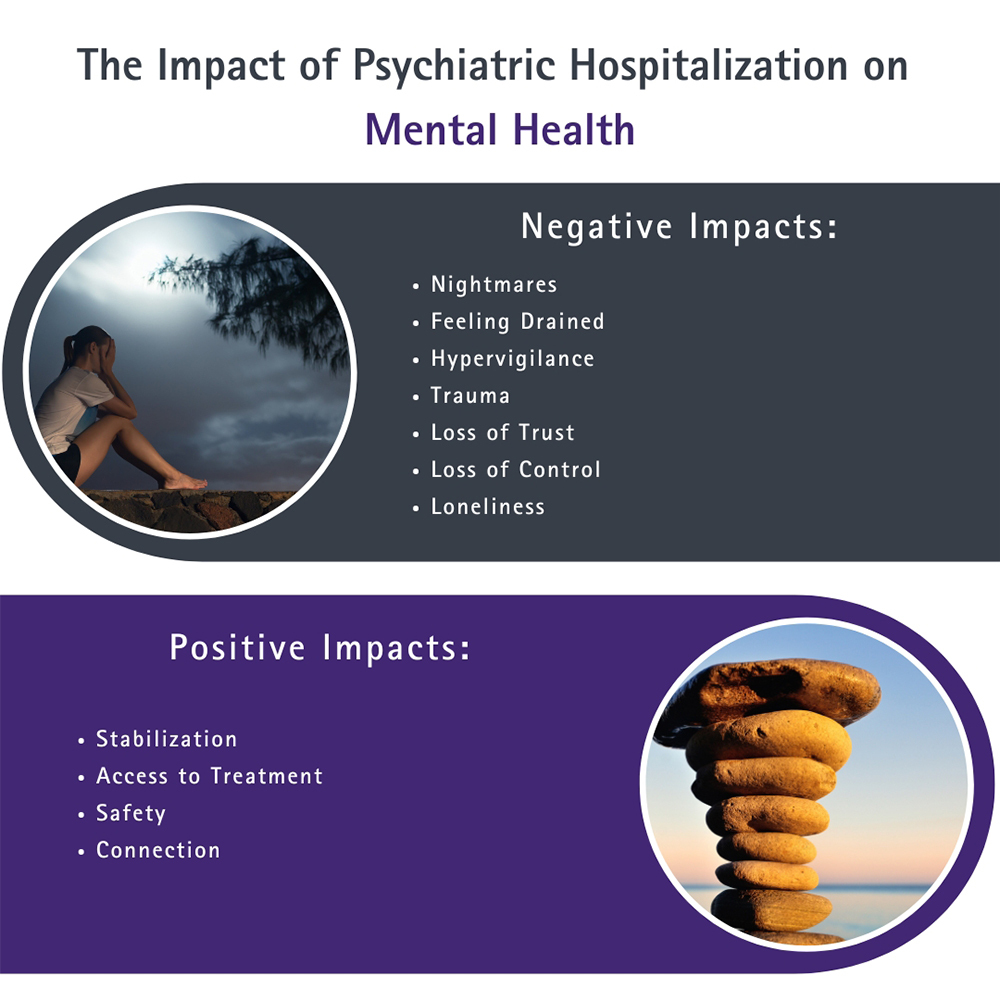
Psychiatric hospitalization can have a profound impact on mental health, both positive and negative.
Negative effects of psychiatric hospitalization include:
- Nightmares
- Feeling drained
- Hypervigilance
- Trauma
- Loss of trust
- Loss of control
- Loneliness
Not everyone will experience all of these effects. If you experience any of the above, talk to one of our trauma counselors in Brickell, Downtown Miami, and West Palm Beach. One of our counselors can guide you through the process with personalized care and expertise.
For more information about our counselors or to schedule an appointment with a trauma therapist, call the therapy center.
(786) 522-2376Treatment Options for Trauma
At Evolve Therapy & Counseling, our therapists utilize the Sovereign Body Method to help clients reconnect with bodily signals in a safe way. The method helped clients develop the capacity to use their feelings rather than suppress or intellectualize them. Treatment is tailored based on nervous-system state and present-day situation, rather than a one-size-fits-all protocol.
Some important steps after any type of trauma include:
- Remember to get adequate rest, eat healthy food, and get the appropriate amount of exercise for your medical condition.
- Connect with family, friends, support groups, and trained professionals for support in your recovery.
- Minimize stress, learn relaxation techniques such as meditation, deep breathing, and journaling, and participate in activities you enjoy.
- Stay in touch with your therapist. Let them know how you are feeling and if you have any concerns.
Each person may require their own individualized self-care routine based on situation and needs. You and your therapist can create a plan for self-care after psychiatric hospitalization.
Types of Trauma-Informed Therapy
Trauma counseling, within the method, after psychiatric hospitalization can include:
- Eye movement desensitization and reprocessing (EMDR): Using bilateral stimulation such as eye movement, tapping, or auditory stimulation to activate both sides of the brain for processing.
- Cognitive processing therapy (CPT): Identify and challenge patterns of negative thought for a more positive perspective.
- Narrative exposure therapy (NET): Create a cohesive narrative of your experience to challenge your perspective.
- Cognitive behavioral therapy (CBT): Identify cognitive distortions that are causing negative feelings and behaviors.
Your therapist will create a safe and supportive environment and provide further information on each form of mental health treatment to help you make the choice of which one is right for you.
Benefits of Trauma Mental Health Treatment in WPB
One of our method trained therapists can help you:
- Process your experience without pushing you to re-live your story
- Feel safer in real life, not just understand yourself better
- Feel less overwhelmed during sessions
- Change how you experience life, not just gain insight
Our top-rated therapists specialize in trauma counseling, which means sessions are not focused on venting or retelling your story, but on nervous system work that actually helps you connect with yourself and become self-possessed.
Recovery is not linear, and challenges may arise. Outcomes may vary depending on history and the client’s current environment.
If you would like some help with coping outside of therapy, consider the following hotlines available 24/7:
- National Suicide Prevention Lifeline: 988
- Crisis Text Line: Text HOME to 741741 from anywhere in the US, anytime, about any type of crisis.
- The Trevor Project: 1-866-488-7386 This hotline is specifically for LGBTQ youth in crisis.
If you experienced psych ward trauma – we are here to support you. Contact us for a confidential consultation and discover the power of professional trauma therapy in Brickell, Downtown Miami and West Palm Beach. We offer outpatient services across the Palm Beaches.
Sources:
The American Journal of Psychiatry, vol. 163, no. 8, 2006, pp. 1424–1429
The American Journal of Psychiatry, vol. 161, no. 12, 2004, pp. 2219–2224.