
Understanding Depression
Depression is commonly described as a mental health disorder characterized by feelings of sadness, low energy, and decreased interest in activities you used to enjoy. Depression is more than being sad. It’s an inability to do daily tasks, to get out of bed and brush your teeth, to feel excitement, all while feeling intense guilt for it.
Two people with depression may need different treatment. Some people may be experiencing depression due to trauma may benefit from one approach, while someone experiencing depressive symptoms from burnout or chronic nervous system shut down may require a different approach.
At Evolve, we don’t look at depression as just something you need to think your way out of. We work with your nervous system and body to understand what past experiences are causing your depressive symptoms. Throughout therapy, you will have the chance to release stored emotions from your body and rewrite your patterns, while also creating safety to accept positive feelings and experiences.
During your initial session, your therapist will get to know your history, goals, current environment, life, stressors, and personal preferences so they can help you find the right tools within the Sovereign Body Method.
While the Sovereign Body Method gives therapy a structure, the process is collaborative. We find tools and strategies that work best for your life.
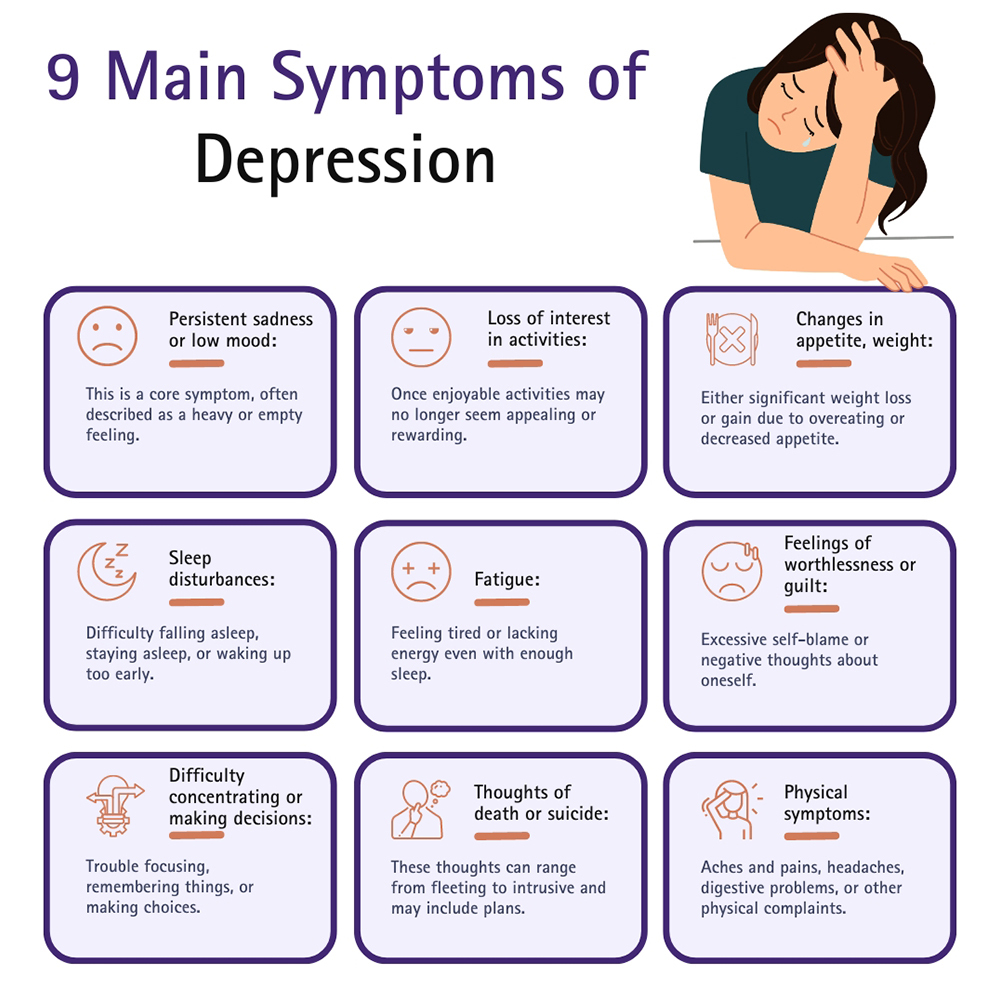
Symptoms of depression include:
- Depressed mood most of the day, every day for 2 weeks
- Diminished interest in all activities
- Weight loss or gain
- Insomnia or hypersomnia
- Physical hyperactivity or retardation
- Loss of energy
- Feelings of worthlessness or guilt
- Decreased ability to concentrate or indecisiveness
- Thoughts of death
There are different levels of severity of depression. Depression is a real medical condition, not a moral failing. When the nervous system has been under prolonged stress, it can become difficult to access energy, motivation, or a sense of direction.
At Evolve Therapy & Counseling, our work focuses on helping you attain an internal sense of safety and capacity. Through the Sovereign Body Method, you will have support in regulating your nervous system to increase your capacity for a wide range of emotions as well as practice releasing unhelpful patterns through body-based work.
Types of Depression

There are different types of depression, including:
- Major depressive disorder (MDD): MDD is what is known as clinical depression. It is characterized by persistent feelings of sadness, emptiness, and hopelessness. Symptoms typically last for at least two weeks.
- Dysthymia: Dysthymia is considered to be a milder form of MDD. Symptoms are still chronic and persistent but less severe.
- Seasonal affective disorder (SAD): SAD is a type of seasonal depression that occurs at a specific time of year, usually in the winter or fall. It is believed that this form of depression is associated with changes in light exposure.
- Postpartum depression (PPD): PPD happens to women after childbirth. PDD symptoms include sadness, feelings of emptiness, and exhaustion. PPD typically lasts from several weeks to months.
- Premenstrual dysphoric disorder (PMDD): PMDD is a type of premenstrual syndrome (PMS) characterized by intense mood swings and sadness, irritability, along with physical symptoms.
While many of our clients arrive with different depression diagnoses, our work focuses less on labels and more on helping your nervous system regain stability and capacity so you can respond to life with grounded clarity.
Who Does Depression Affect?
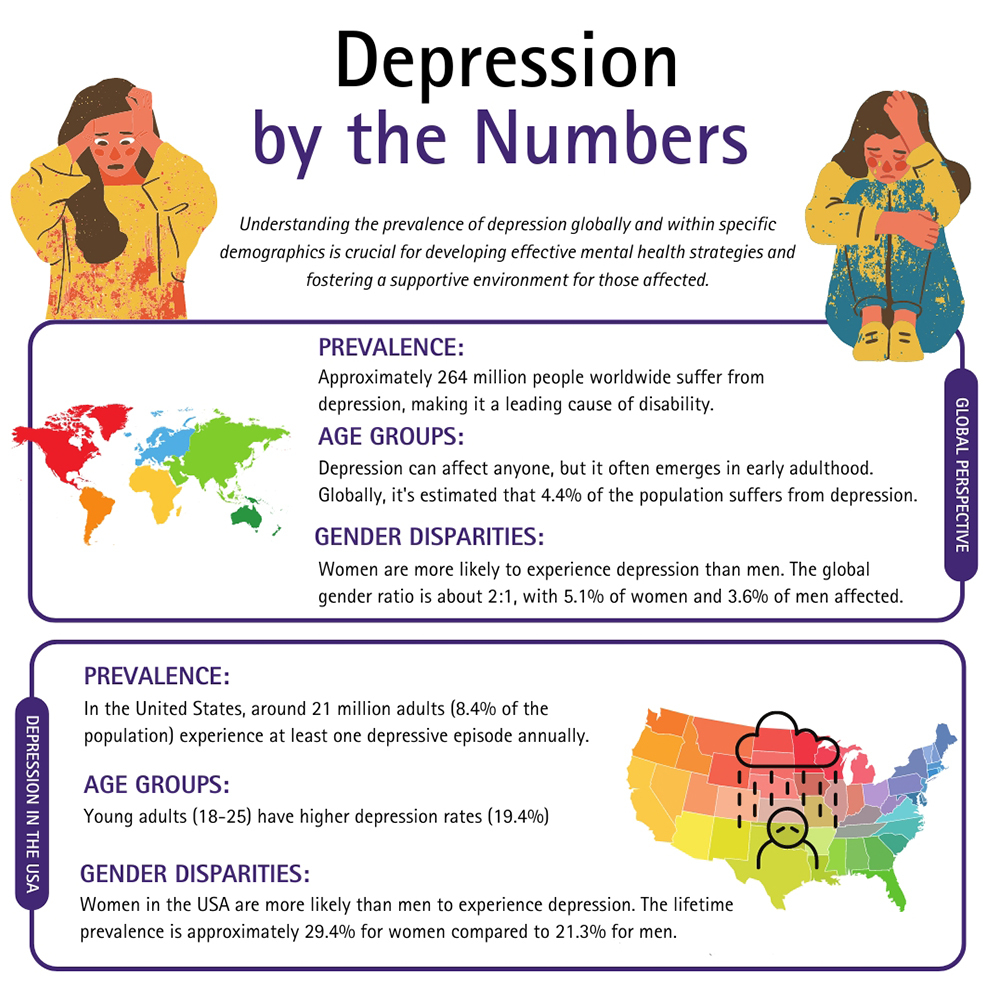
Depression can affect people of all ages, genders, races, and backgrounds. Depression does not discriminate, and it can happen to anyone.
Some risk factors for depression include:
- Physical, emotional, and sexual abuse
- Family history of depression
- Chronic stress
- Health conditions
- Substance use
- Social isolation
- Low self-esteem or perfectionism
- Major life changes
While these factors can contribute to the likelihood of developing depression, someone without these risk factors can still feel depressed. It’s important to remember that there is a way to somatically release the memories and patterns leading to depressive symptoms.
Wonderful experiences
Verified Source | Google
★ ★ ★ ★ ★
I’ve had nothing but wonderful experiences with Evolve Therapy & Counseling. My therapist is very caring and helpful and communicates in a way that feels natural with me.
Very professional
Verified Source | Google
★ ★ ★ ★ ★
Everyone is so kind and ready to help. I felt very taken care of and welcomed as I was seeking therapy. Very professional!
Great practice
Verified Source | Google
★ ★ ★ ★ ★
Great practice with so much knowledge and support to offer. Would recommend to anyone.
According to the World Health Organization (WHO), depression affects over 200 million people around the world. According to the National Institute of Mental Health (NIMH) 7.8% of adults in the U.S. experience at least one depressive episode per year.
Diagnosing Depression
At Evolve, we look at depression symptoms as a natural consequence of things you have experienced in the past, not as something wrong with you. A nervous system that has been in fight/flight too long can cause feelings of shutdown, overwhelm, numbness, disconnection, as well as other depressive symptoms.
A mental health professional can diagnose depression with a combination of the following:
- Assessment: Using tools like questionnaires, your therapist will guide you through some questions that will help you understand your symptoms and diagnosis.
- Interview: Your therapist may ask you questions about your history, major life events, and your current experiences.
- Diagnostic and Statistical Manual (DSM-5): This tool can help you learn the symptoms of depression and identify which ones you relate to. It can also help your therapist properly diagnose you.
- Medical evaluation: At times, mental health issues can be caused by medical reasons. It is important to rule out medical causes, so your therapist may refer you to a doctor.
A licensed counselor can accurately diagnose the specific type of depression you may have. However, at Evolve, we believe that your current feelings are a normal response to past experiences. These feelings can serve as valuable guidance and can be released through small movements of the body, as well as through cognitive processing when needed.
At Evolve, we notice our clients who report depression symptoms are usually able to go to work and take care of their responsibilities, but they are not fully experiencing life. They may feel exhausted even after they have had enough sleep and rest. We often even see people feeling guilty because they can’t pinpoint the specific cause of their depression. However, depression can be caused by long term stess, holding onto emotions longer than necessary, or living in a survival mode.
You are not broken and don’t need fixing. Instead, therapy with the Sovereign Body Method focuses on understanding what is happening to you and learning to create safety in your own body.
Embrace Healing The Power of Trust in Therapeutic Relationships
“In my experience, the most effective aspect of therapy is the therapeutic relationship. Establishing trust between a client and clinician is the first step to healing.”
Preventing Depression
It may not be possible to prevent depression completely, but there are several things you can do to promote positive mental health:
- Maintain a healthy lifestyle: This includes nutrition, sleep, and physical movement. Taking care of your physical health positively impacts your mental health.
- Develop coping skills: You can choose any healthy coping skills you like to help combat symptoms of depression. These can be walking, reading, stretching, listening to music, drawing, writing, or anything you enjoy. Your therapist will teach you additional coping skills like grounding and somatic regulation.
- Seek social support: As social creatures, we cannot be fully satisfied with life in isolation. Having someone you trust to talk to can greatly improve your mental health.
- Hobbies: Participating in hobbies simply for the enjoyment of them can improve our mental well-being.
- Get help from a therapist: Sometimes it’s hard to know how to combat depression on your own. A therapist can provide you with the tools you need to be able to work on your mental health while supporting you and keeping you accountable throughout the process.
There are many ways to help prevent depressive symptoms. Your therapist can support you in finding the tools that work for you.
Prognosis of Depression
Depression can improve with treatment; however, healing is not linear.
The prognosis for depression depends on several factors, such as:
- Severity of depression
- Medical issues
- Current environment
- Support system
- Participation in treatment
At Evolve, we don’t define progress by just a reduction in symptoms. We look for changes in how you experience life. Our goal for depression treatment is to help our clients increase their capacity to recover from difficult emotions faster, feel safer in their bodies with positive and negative feelings, and feel more connected to themselves and others.
Therapy for Depression at Evolve

All our therapists are trained in the Sovereign Body Method, developed by Liz Chelak, LCSW, CCTSI, CRPS after years of working with clients and seeing limitations with traditional talk therapy. She noticed clients were coming in with real life problems, but sessions quickly led to discussing the week without promoting any real change.
The Sovereign Body Method is a four-phase system that takes clients through nervous system regulation, somatic release of negative emotions, and processing negative traumas to let go of their effects on your current life.
In my professional experience, our current challanges come from how our nervous sysem was conditioned to keep us safe. The Sovereign Body Method and powerful clinical interventions such as EMDR and NET helps you be the most calm, grounded, confident version of yourself. Learning these skills and daily practices can be a vital part of healing from depression.
Once you have sufficient regulatory tools you can use daily and feel safe in your body, you can begin using cognitive therapy interventions, such as cognitive behavioral therapy (CBT) and rational emotive behavioral therapy (REBT). These evidence-based interventions can help you with depression in the following ways:
- Identifying negative beliefs: Negative thought patterns are typical of depression. It is difficult to know how to challenge these, sometimes deeply rooted, beliefs on your own. A therapist can help you learn skills to identify your negative thoughts and reframe them.
- Learn coping skills: A therapist can help you identify coping skills that work best for you. Challanges occur in life. Healthy ways to deal with stressful situations can improve your mental well-being and life.
- Changing behaviors: Behavior modification therapy can help you acquire positive consequences from new behavior patterns.
- Increased awareness: Awareness is always the first step of change. Through therapy, we increase awareness of your feelings, thoughts, and behaviors. After that, you can identify which are not serving you and how you can change them.
It is often difficult to handle depressive symptoms on your own due to the fatigue and loss of interest associated with depression. With the help of a trusted counselor, you can expand your capacity for all emotions and learn to change your thoughs and perceptions.
For more information about our counselors or to schedule an appointment with a depression therapist, call the therapy center.
(786) 522-2376Therapy Duration for Depression
The length of therapy depends on you and your therapist, the severity of your symptoms, and your willingness to change. Typically, Liz Chelak, LCSW, CCTSI, CRPS recommends a minimum of 12 sessions.
I believe there is always more to learn about yourself, life, and tools to improve your happiness and satisfaction with life. Our therapists are willing to work with you as long as you are willing to participate in your therapy. Your counselors will be able to update you on your progress, recommend things to work on and provide adequate support throughout your progress.
TMS Therapy for Depression
Transcranial magnetic stimulation (TMS) is an innovative, non-invasive, and well-tolerated method for the treatment of depression. The technology TSM is based on, electromagnetic mutual induction, was first discovered in 1831; and in 1985 the first TMS device was invented. TMS is typically used when other forms of depression treatment have been ineffective.
TSM uses electromagnetic pulses over the scalp to affect the cortical activity of the brain. The magnetic fields affect mood regulation by delivering small electrical currents to help stimulate nerve cells and improve brain activity. TMS sessions are 20 to 40 minutes long over several weeks. TMS has mild side effects that include scalp discomfort and headache.
We do not provide TMS at Evolve, but we can recommend appropriate support and help you find the support you need.
Depression Therapy Cost
The cost of each therapy session at Evolve is $220.
Explore our therapy cost page to find the right session format for you.
Best Therapy for Depression
The type of therapy that is best for depression depends on your individual needs, your preferences, your therapist’s specialty, and the severity of your symptoms.
Some evidence-based treatments for depression include:
- Cognitive behavioral therapy (CBT): CBT helps you develop coping skills, identify negative thoughts, and provide you with tools to reframe your thinking.
- Psychodynamic therapy: This type of therapy involves unconscious thoughts that can impact your day-to-day life. It aims to improve awareness of your subconscious mind and its effects on your feelings behavior.
- Rational emotive behavioral therapy (REBT): REBT aims to help identify your irrational beliefs and learn techniques to dispute them.
Any of these types of therapies are effective for helping clients overcome depressive symptoms. The type of therapy you choose will only affect the road you take. However, it is important to choose one with the help of your therapist to achieve lasting peace and confidence.
If you are struggling with depression, please know that you are not alone. Help is available, and you don’t have to go through this alone. Please reach out to a therapist or counselor today. You can also find more information about depression therapy in Brickell, Miami and West Palm Beach by contacting our office.