
What Is Alcohol Addiction?
Alcohol addiction, or alcohol use disorder, is a disease in which the individual cannot control their alcohol use despite negative consequences. People with alcohol addiction experience strong cravings, increased tolerance, and withdrawal symptoms that could result in death.
Learn
Symptoms of Alcohol Use Disorder (AUD)
 Symptoms of alcoholism include:
- Cravings
- Tolerance
- Withdrawal
- Increased time spent on alcohol
- Neglecting responsibilities
- Continued use despite negative consequences
- Loss of interest in things you used to enjoy
- Failed attempts to quit
- Mood swings
- Drinking alone
If you think you or someone you know is experiencing an alcohol addiction it is important to attend a detox program before participating in outpatient therapy.
Health Complications Associated With Alcoholism
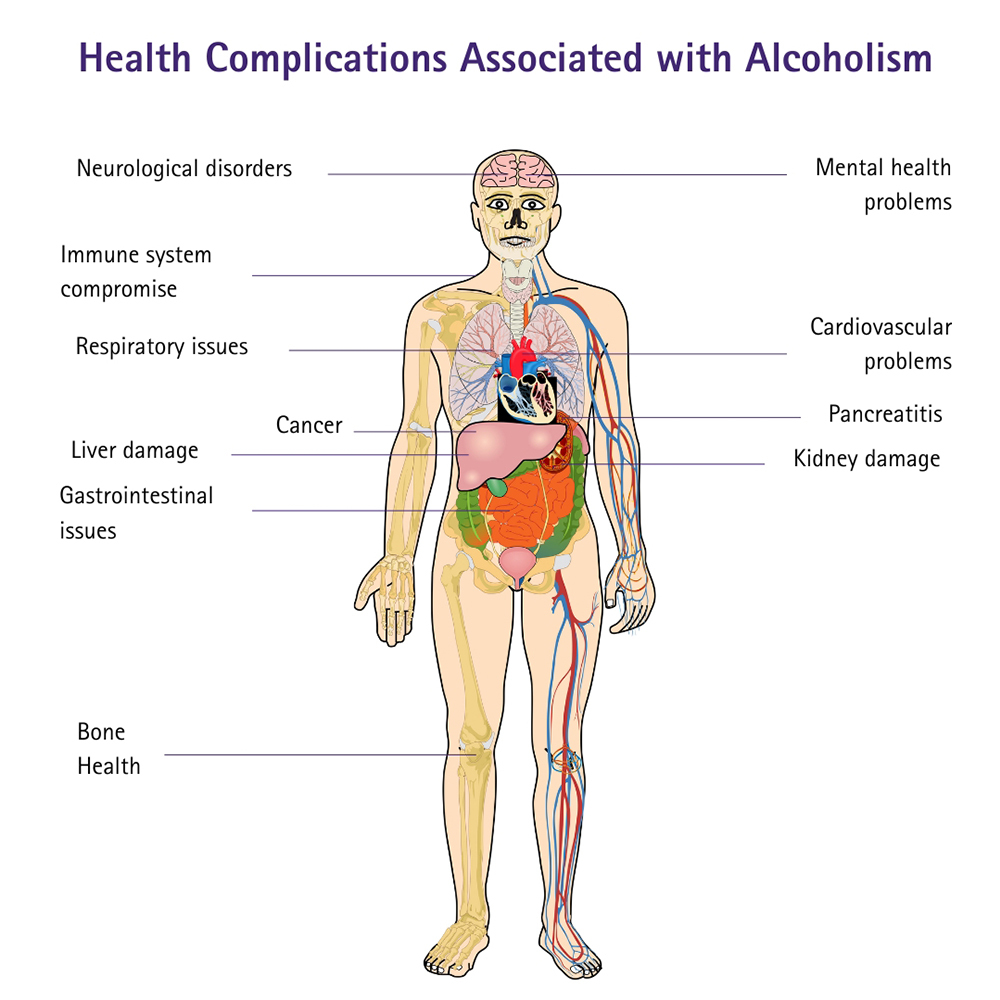
Health complications associated with alcoholism include:
- Liver damage
- Cardiovascular problems
- Pancreatitis
- Gastrointestinal issues
- Cancer
- Neurological disorders
- Mental health problems
- Immune system compromise
- Respiratory issues
- Kidney damage
- Bone Health
Not everyone with an alcohol use disorder will experience these health issues. However, the risk is increased significantly with increased alcohol use.
Treatment Options for Alcoholism
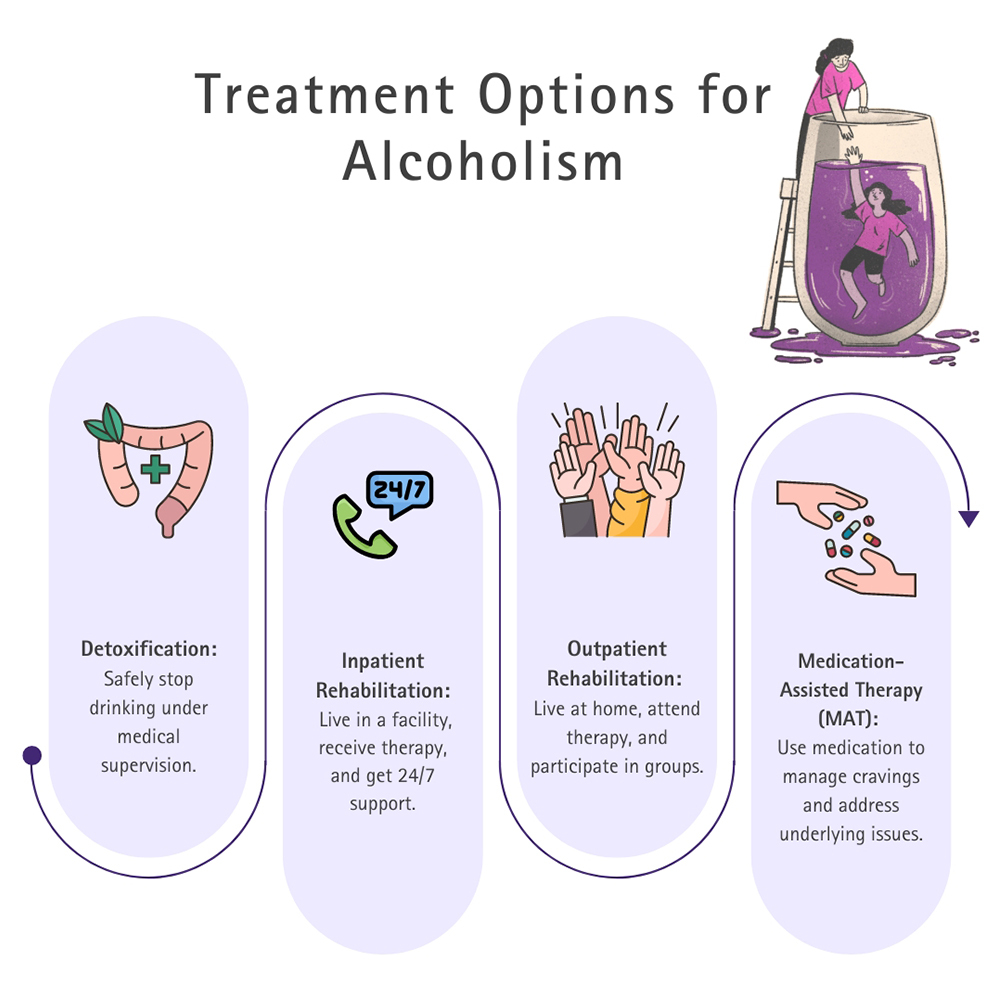
Treatment options for alcohol use disorder (AUD) include:
- Detoxification: Alcohol withdrawal can cause death. Detoxing under the supervision of medical professionals is the safest way to discontinue alcohol use and begin your journey toward sobriety.
- Inpatient rehabilitation: This involves the patient living in a residential facility and receiving therapy and around-the-clock support.
- Outpatient rehabilitation: Outpatient rehab involves the patient living at home while attending trauma therapy and groups.
- Medication-assisted therapy (MAT): This form of treatment includes medication to support the patient with cravings and trauma therapy to deal with the underlying causes of alcohol use.
At Evolve Therapy & Counseling, we do not provide treatment for active alcohol or substance use disorders. Clients must be sober and medically stable prior to beginning work with us.
Once sobriety is established, the Sovereign Body Method can be highly supportive in addressing the underlying nervous system patterns that contributed to substance use. Rather than focusing on the behavior itself, we work to regulate the body, build internal safety, and explore the emotional and physiological drivers beneath it.
As clients strengthen their capacity for regulation, clarity increases. From that grounded place, it becomes possible to understand what led to drinking, process unresolved experiences, and build healthier responses moving forward.
Alcohol Addiction Therapy
Alcohol addiction therapy can include the following interventions:
- Assessment
- Individual therapy
- Group therapy
- Motivational interviewing
- Contingency management
- Family therapy
- Relapse prevention
Alcohol addiction therapy is often tailored to the individual’s specific needs and may include a combination of these approaches. The goal of therapy is to empower individuals to overcome their addiction, develop healthier coping mechanisms, and build a sustainable recovery plan. It is important to be abstinent from alcohol during therapy.
Cognitive-Behavioral Therapy (CBT) for Alcohol Addiction
CBT helps clients:
- Identify negative thoughts
- Reframe negative thoughts into positive thoughts
- Developing coping skills
- Relapse prevention
- Empowerment
CBT helps clients identify the negative thoughts that lead to alcohol use and change them to more positive or neutral thoughts.
Contingency Management (CM) for Alcohol Addiction
Contingency management (CM) is a behavioral therapy approach used in alcohol addiction therapy to promote positive behavior change by providing tangible incentives or rewards for achieving treatment goals.
Medication-Assisted Treatment (MAT) for Alcohol Addiction
Medication-assisted treatment (MAT) in alcohol addiction therapy is an evidence-based approach that combines trauma therapy and the use of medications to treat alcohol use disorder (AUD).
Duration of Alcohol Addiction Therapy
The duration of alcohol addiction therapy depends on you and your goals.
Some things that can influence the length of therapy include:
- Your goals
- Severity of your alcohol use
- Your progress
- Trauma history
Talk to your therapist during your assessment about the recommended duration of therapy for you.

Our alcohol addiction therapy is rooted in experience, trust, and evidence-based therapies. We are committed to supporting you or your loved one on the path to recovery. Take the next step towards a healthier, alcohol-free life- reach out to us today to start your journey to lasting sobriety and well-being. Your brighter, alcohol-free future awaits.