
Domestic Violence Explained

Domestic violence is a pattern of abusive behavior in any relationship by one partner to gain or maintain control over another intimate partner. It can include physical, sexual, emotional, economic, or psychological abuse.
Some of the examples of domestic abuse include:
- Being hit, slapped, pushed, or shoved.
- Being forced to engage in unwanted sexual acts.
- Facing excessive criticism about your appearance or actions.
- Being prevented from working, pursuing hobbies, or spending time with friends.
- Having your activities excessively monitored, such as through your phone.
- Being followed, threatened, or made to feel unsafe.
Domestic abuse does not only have to be hitting or fighting with your partner. Any form of emotional, physical, sexual, or financial abuse is considered domestic violence.
No one deserves any type of abuse. At Evolve Therapy & Counseling, we use the Soverign Body Method. Unlike talk-based therapy, this method addresses the physiological patterns that keep clients stuck in abusive relationships. This method has helped support thousands of clients in increasing agency in their lives to change how they experience relationships.
Causes of Domestic Violence
Several factors can contribute to domestic violence, including:
- Childhood abuse: Often, people who were abused in early childhood are likely to become abusers.
- Substance use: The use of drugs and alcohol often increases the risk of domestic violence.
- Mental health issues: Sometimes, mental health disorders can lead to feelings of anger and domestic abuse.
The saying “hurt people hurt people” applies well to domestic abusers. Therapy can help both the victim and the abuser if they are willing to participate.
Effects of Domestic Violence
Domestic violence can have profound and lasting effects on victims, including:
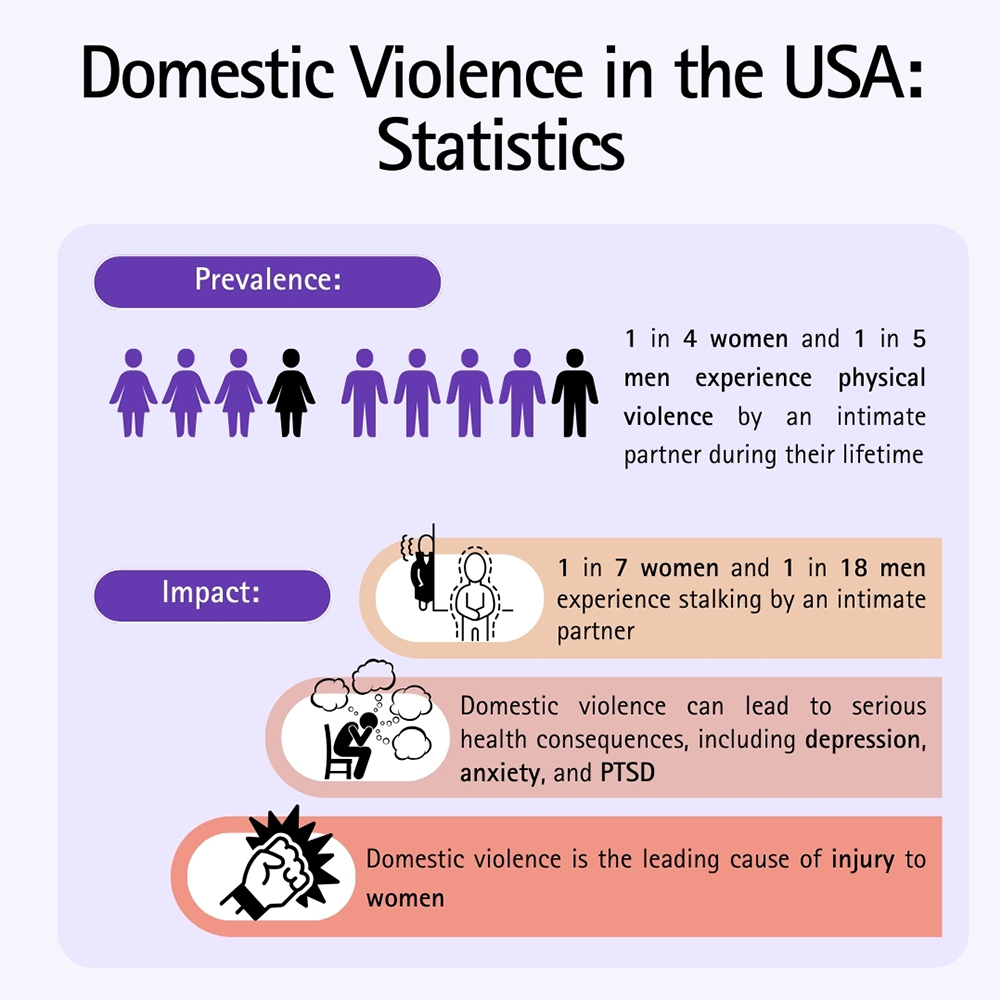
- Emotional trauma: Victims often experience anxiety, depression, and post-traumatic stress disorder (PTSD) as a result of the abuse.
- Physical health issues: The physical injuries sustained can lead to long-term health problems, including chronic pain and disabilities.
- Social isolation: Victims may become isolated from their support networks, making recovery more challenging.
If you or someone you know is experiencing domestic violence, it’s essential to seek help. As experienced domestic abuse counselors, our therapists can help you not only develop coping skills but also feel calm and safe in your own body and learn to trust yourself.
Domestic abuse is a complex situation involving multiple factors, such as stigma and fear. You may wonder, “Why don’t they just leave?” It is important to remember that domestic violence is not the victim’s fault. Sometimes, leaving can create a more dangerous situation for the victim.
Some other reasons people experience domestic violence include:
- Past abuse or trauma
- No family or social support
- High stress
- Mental health issues
- Cultural norms that perpetuate abuse
There is no specific reason why someone experiences domestic abuse. It is important to remember to never blame the victim and instead be supportive and empathetic to their experience.
Domestic Violence Therapy
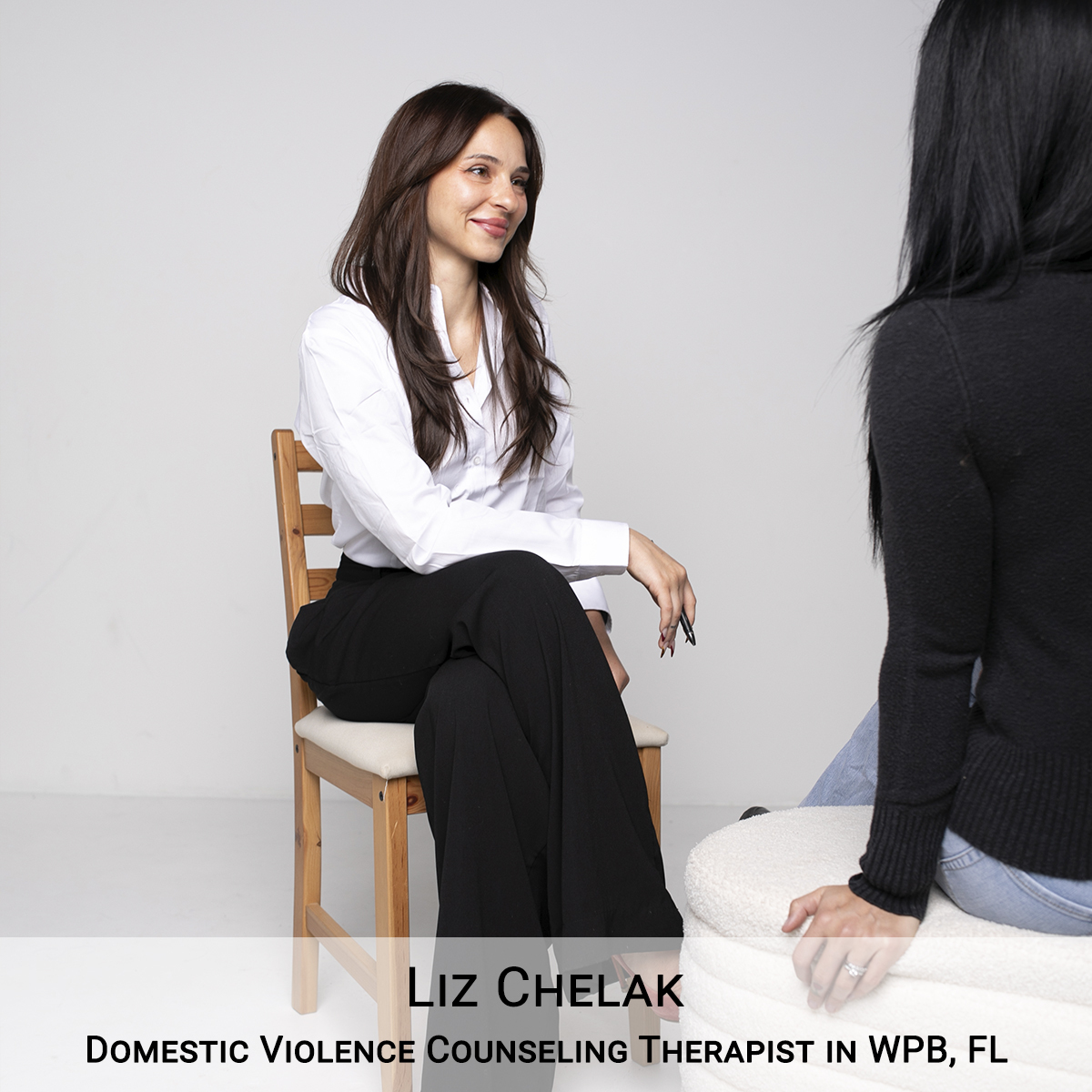 You can and should tell your therapist if you are experiencing domestic abuse. Therapy is a safe space for you to share your experience and trauma and be vulnerable, allowing you to heal. Our therapists provide a secure and comfortable environment for you to process your experience. In therapy, you can explore the effects that domestic violence has on your mental state, help you develop coping strategies, and create a safety plan. Therapists are mandated to report child or elderly abuse, or if they believe you will harm yourself or someone else. Therapists are not mandated to report domestic abuse.
Type of Therapist for Domestic Violence
It can be difficult to find a good trauma therapist for domestic violence. Our practice is built around a unified clinical framework, allowing clients to receive consistent, high-quality care regardless of the individual clinician they work with. All therapists practicing the Sovereign Body Method™ are licensed or registered clinicians who complete method-specific training and ongoing supervision.
Survivors of domestic violence abuse can benefit from therapy by building internal stability and acting from self-trust, not fear.
Embrace Healing The Power of Trust in Therapeutic Relationships
“In my experience, the most effective aspect of therapy is the therapeutic relationship. Establishing trust between a client and clinician is the first step to healing.”
Stopping Domestic Violence
It can be daunting to take action against domestic violence.
Here are some steps you can take:
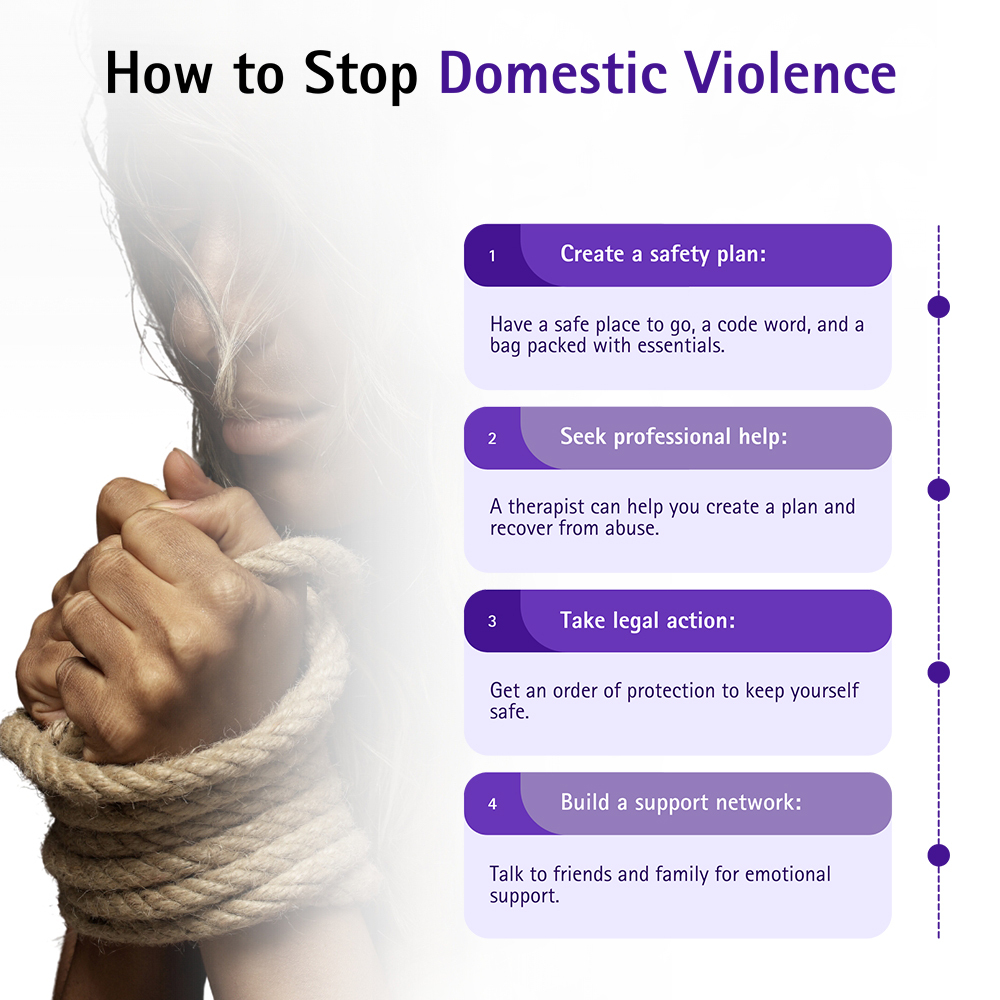
- Create a safety plan: Have a safe place to stay when needed; develop a code word with friends and family; keep a bag packed with essentials and important documents. Create a long-term plan before leaving that involves housing and social support.
- Seek help: A therapist can help you learn to set and enforce boundaries, create a plan, and recover from domestic abuse.
- Take legal action: You can get an order of protection to protect yourself and prevent the likelihood of your abuser hurting you.
- Social support: Going through domestic abuse alone can be difficult. Having the support of your family and friends can make recovering from domestic abuse more manageable.
If you are experiencing violence, reaching out to a therapist at Evolve Therapy & Counseling can be a crucial step toward healing. Liz Chelak’s compassionate and skilled team of counselors has created a supportive environment for countless clients to work through their experiences and develop the skills needed to process the past safely.
Helping Victims of Domestic Violence
If you know someone who has experienced domestic violence, you can help by:
- Believing your loved one when they share their experience. Domestic violence often happens behind closed doors, so the person telling you their experience puts their trust in you. Take the time to listen and just be there.
- Ask what your loved one needs. Don’t assume they are looking for a solution. Sometimes, a domestic violence survivor wants you to listen; sometimes, they want advice, and sometimes they want support. Just ask.
- Don’t judge them. It is often difficult and scary to leave a domestic violence situation for fear of more violence. Respect your loved one’s wishes.
- Educate yourself. Learn about the experiences of domestic violence survivors and the resources available to be able to help your loved one.
- Be patient. Recovery from domestic abuse is not linear. Sometimes, people may fall back into old habits. Continue being supportive and let your loved one know you are always there for them.
Everyone’s experience is different. Remember, you are not alone in helping your loved one deal with domestic violence. A professional can help you and your family heal from traumatic events.
Take the first step toward creating a life that reflects who you truly are—call now for specialized domestic violence therapy in Brickell, Downtown Miami, and West Palm Beach. Our therapists’ compassionate domestic violence counseling helps you experience lasting change. Therapy provides a safe space to build a foundation for longterm growth.