
Signs of Somatic Symptom Disorder: What It Looks Like

Have you ever felt unwell, only to be told by doctors that everything is fine? It can be frustrating when tests come back normal, and you’re left searching for answers. Sometimes, these symptoms are linked to the mind-body connection, meaning your body might be trying to tell you something important.
We offer somatic symptom disorder (SSD) therapy in Brickell, Downtown Miami, and West Palm Beach for those who need support and understanding beyond a typical doctor’s visit.
Symptoms of Somatic Symptom Disorder
SSD (Somatic Symptom Disorder) isn’t about experiencing symptoms that don’t exist. In fact, it isn’t a disorder at all; rather, it’s your body’s way of communicating important information. However, with SSD, the intensity of these symptoms can be amplified far beyond what you would prefer.
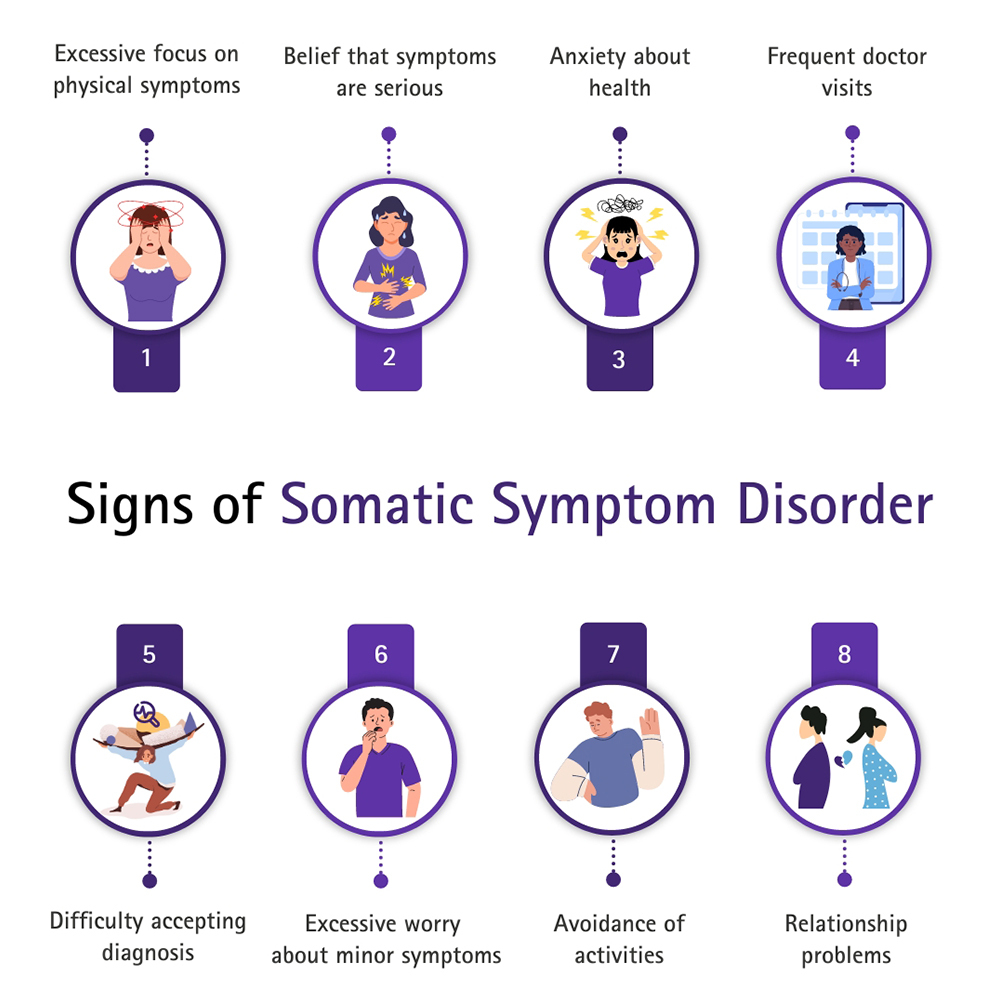
Symptoms of SSD include:
- One or more somatic (physical) symptoms that cause distress and disruption of daily life
- Excessive time, energy, and anxiety are spent on the somatic symptoms
- Somatic symptoms present for 6 months or more
Therapy at Evolve focuses on understanding the origins of symptoms and their meanings.
By using the Sovereign Body Method, you can effectively release pent-up feelings, preventing them from building up inside and leading to unwanted symptoms.
Causes of Somatic Symptom Disorder
Somatic Symptom disorder doesn’t happen by accident. It occurs due to an overload of stress, constantly scanning for danger, and the inability to settle.
The causes of somatic symptom disorder may differ depending on the person; however, some causes include:
- Past traumatic experiences
- Chronic stress
- Personality traits
- Lack of coping skills
- Family dynamics
- Brain chemistry
Not everyone who has these risk factors will develop SSD. A therapist at Evolve uses a structured four-phase method to help you overcome SSD.
Embrace Healing The Power of Trust in Therapeutic Relationships
“In my experience, the most effective aspect of therapy is the therapeutic relationship. Establishing trust between a client and clinician is the first step to healing.”
Treatment for Somatic Symptom Disorder
SSD therapy is not just about treating the symptoms; it’s about creating a connection with yourself to understand the underlying causes of those symptoms. By doing this, you can change the way your nervous system responds to feelings.
The Sovereign Body Methods help overcome SSD by:
- Recalibrating the nervous system so it doesn’t constantly scan for danger
- Releasing negative emotions so they don’t become stored
- Changing the patterns of reacting to stress
- Learning to address feelings as they arise and returning to a baseline state more quickly
This approach is not about turning off the symptoms but rather about listening to them and changing the way your body responds to stress.
Medications for Somatic Symptom Disorder
Medications are not the first line of treatment for somatic symptom disorder, but may be helpful in combination with psychotherapy.
Medications for SSD include:
- Antidepressants- fluoxetine (Prozac), sertraline (Zoloft), escitalopram (Lexapro)
- Anti-anxiety medications- lorazepam (Ativan) or clonazepam (Klonopin)
- Pain medications- nonsteroidal anti-inflammatory drugs (NSAIDs) or acetaminophen
- Muscle relaxants- cyclobenzaprine (Flexeril)
- Antipsychotic medications- aripiprazole (Abilify) or quetiapine (Seroquel)
Medications are not used to treat SSD, but may be used to treat co-occurring symptoms of SSD, such as depression and anxiety.
How to Get Help for Someone With Somatic Symptom Disorder
Helping someone with SSD can be challenging, but the most important thing to help your loved one is your understanding and empathy.
Here are some things you can do to help someone with SSD:
- Educate yourself: Learn about the symptoms, causes, and how to find professional help for SSD.
- Encourage professional help: SSD is difficult to deal with on your own, but with a therapist it is treatable.
- Offer support: Be there for your loved one. Sometimes this means offering advice and at other times it may just be listening.
- Participate in family therapy: Therapy can provide education on the diagnosis, treatment, and how to support your loved one with SSD.
- Practice self-care: The better care you take of yourself, the better you can help others.
- Avoid enabling: Keep your loved one accountable for participating in self-care activities.
Remember that as a family member, you can provide support, although this does not replace the important role of a therapist. Only a professional can help treat the underlying causes of SSD.
Don’t let somatic symptom disorder hold you back any longer. Contact us now to schedule your initial session and take the first step toward overcoming SSD.