
At Evolve, our counselors utilize the Sovereign Body Method with a combination of proven therapies like cognitive behavioral therapy (CBT), dialectical behavioral therapy (DBT), and psychoeducation to provide you with the tools and support you need to feel in control of your life.

Understanding Manic Depression Therapy
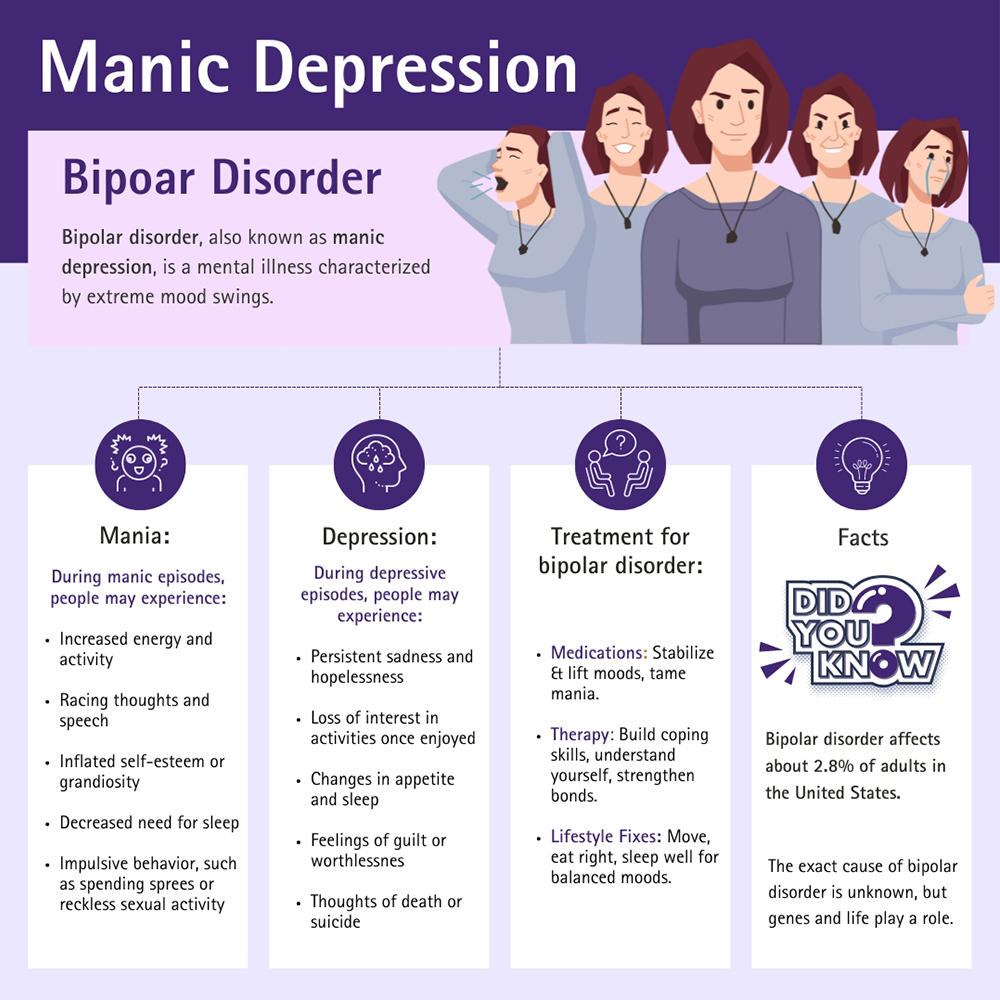
Manic depression, more commonly known as bipolar disorder, is characterized by extreme moods ranging from mania to depression. Manic depression therapy helps you understand your mental and physical states, providing you with essential skills and tools to recognize the signals from your bodies.
Types of Manic Depression Therapy
At Evolve Therapy & Counseling, our counselors utilize the Sovereign Body Method to help clients move out of survival mode and into experiencing safety within their bodies. This approach focuses on teaching clients to understand their feelings as valuable guides, facilitates the somatic release of stored memories and emotions, and promotes the integration of therapeutic work into their daily lives.
Within this method, the types of interventions that can be used for manic depression include:
- Psychodynamic therapy: Helps identify the underlying, sometimes subconscious thoughts and nervous system patterns that may contribute to intense mood fluctuations.
- Dialectical behavioral therapy (DBT): Provides you with skills to help cope with mood and energy swings.
- Psychoeducation: Learn information on what is happening in your body and brain when dealing with manic depression.
- Cognitive behavioral therapy (CBT): Challenge your maladaptive thoughts and beliefs.
- Medication: The currently used medications for manic depression are lithium, Lamotrigine, Quetiapine, olanzapine, and others.
At Evolve, we concentrate on the root cause of what you are experiencing rather than just the diagnosis or symptoms. Your counselor will use nervous system regulation strategies and somatic tools to help you feel more grounded and confident in your work, home, and relationships.
Manic Depression Therapy Duration
Therapy for manic depression, or bipolar disorder, should be considered a long-term commitment. The duration of therapy depends on the severity of your symptoms and your willingness to change, and is a decision between you and your therapist. Sessions can be scheduled weekly or biweekly and can last 50 minutes.
Embrace Healing The Power of Trust in Therapeutic Relationships
“In my experience, the most effective aspect of therapy is the therapeutic relationship. Establishing trust between a client and clinician is the first step to healing.”
Efficacy of Manic Depression Therapy
According to the research, therapy for bipolar disorder, also known as manic depression, is considered to be effective. However, it is important to note that the effectiveness of therapy largely depends on the client’s willingness, open-mindedness, and participation. Our focus is to give you not only an understanding of your manic depression, but also the experience of connecting with yourself to know what you need in different situations in your life.
Potential Side Effects of Manic Depression Medication?
Some potential side effects of bipolar medication include:
- Numbness: Some patients have reported decreased feelings and emotional bluntness.
- Weight gain: Medication may increase appetite, which can lead to weight gain.
- Stomach Issues: Some individuals have upset stomachs or nausea when taking medication.
- Sexual: Some individuals may experience decreased libido.
Other side effects may be more serious, depending on the medication. Make sure you speak with your doctor before beginning any new medication.
Therapist for Manic Depression
To find the right therapist for you, make sure you look for someone you trust and can relate to. A good therapist is someone who you can create a therapeutic alliance with. Look for a therapist who has an approach you can connect to.
Our manic depression treatment offers a different approach to therapy. With our top-rated therapists and evidence-based techniques, you can learn how to use the important signs your body is giving you. Don’t let manic depression hold you back any longer – reach out to us today and schedule a complimentary consultation.